Why Australia's Hidden Landscapes Are a Photographer's Dream

Enigmatic National Parks
Exploring Australia's national parks brings to mind a tapestry of ancient forests, diverse ecosystems, and unique geological formations that resemble artistic creations you might find in the Melbourne CBD street art scene. As I wander through these majestic landscapes, I'm reminded of how photography allows us to capture the soul of a place, much like how the eye catches vibrant murals and intriguing graffiti against the backdrop of Flinders Street Station.
Daintree's Ancient Forests
The Daintree Rainforest is one of the world's oldest tropical forests, offering a glimpse into an ancient world teeming with unique fauna and flora. As a travel documentarian, I find the ideal time for capturing the magic here is during the golden hours when the light dances through the dense canopy. Experimenting with shadows and highlights can uncover ethereal images, just as the intricate patterns of the Royal Botanic Gardens inspire creativity.
Kakadu's Diverse Ecosystems
Kakadu National Park captivates with its wide range of ecosystems, home to stunning wildlife and natural wonders. To truly encapsulate its essence, it's important to explore various photography techniques. Long exposure can capture the flow of rivers, while macro shots can highlight the intricate textures of endemic plants. This mirrors my passion for capturing delicate details in african tours like a botswana safari, where every shade and texture tells a story.
Bungle Bungle's Unique Formations
The Bungle Bungle Range offers striking geometric formations that fascinate geographers and photographers alike. When photographing these unusual rock formations, consider using a wider lens to emphasize their grand scale or shift to a closeup to highlight their fascinating patterns. This artfully aligns with the journey of discovering an awe-inspiring africa safari, where every perspective adds a layer to the story being told.
Coastal Wonders
Great Ocean Road's Rugged Beauty
Australia's Great Ocean Road is a photographer's haven, offering an array of natural wonders that rival any south africa safari. While travelling along this rugged coastline, think of it as Melbourne’s Flinders Street Station, a place bustling with opportunities to capture the essence of nature. Always be ready with your camera when approaching the Twelve Apostles; their monumental limestone stacks glow beautifully during dawn and dusk.
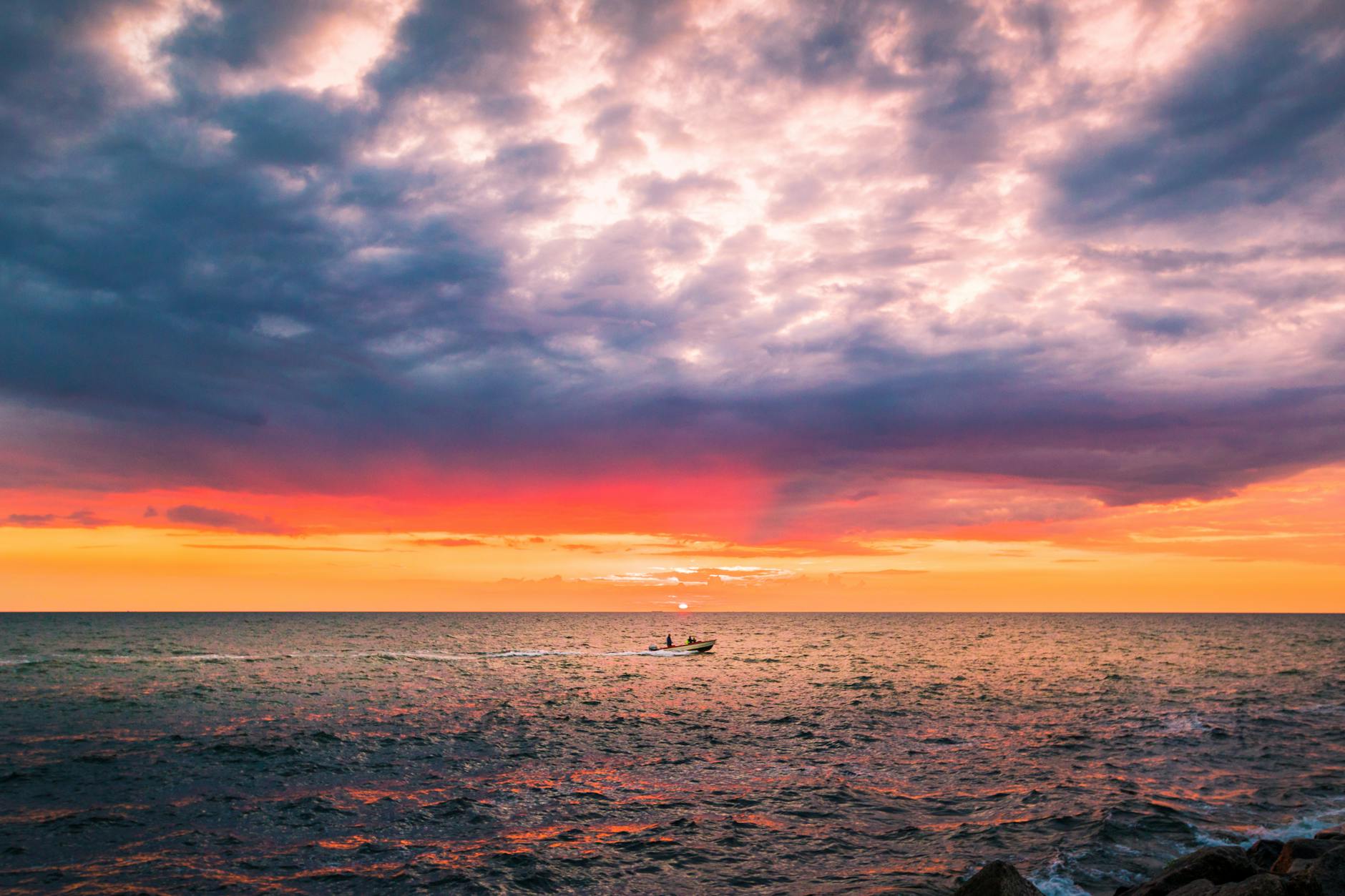
One of my favourite techniques when photographing the coastline is to use the “rule of thirds” to give balance to the sweeping ocean vistas. This approach often yields dynamic images that are both engaging and narratively rich. Attention should also be paid to the play of shadows and highlights, as these can add depth and dimension to your shots.
Whitsundays' Serene Beaches
The Whitsundays offer pristine beaches that could rival those in a well-documented namibia safari. With each island presenting unique scenes, it's similar to wandering through the intricate street art in Melbourne's CBD, as every turn reveals a masterpiece. Capturing the sun-drenched sands and crystal-clear waters with a polarizing filter can enhance the colours and reduce glare. This simple trick can make a photo pop, portraying the Whitsundays' aesthetic most authentically.
Hidden Gems of the South Coast
Close to the inspiration found in Melbourne's Royal Botanic Gardens, the South Coast is a trove of seaside charm waiting to be discovered. While trekking across its less-travelled paths, pause to capture the untouched natural beauty. Whether it's waves crashing against jagged cliffs or tranquil coves, vivid contrasts create powerful imagery. Use long exposure for unique effects, like silky smooth water, enhancing the dramatic landscapes and encapsulating their hidden allure.
Outback Marvels
Uluru's Majestic Presence
When you think of the outback, Uluru stands as a symbol of majestic beauty and ancient stories. This monolith, bathed in hues of red and orange, offers an unparalleled canvas for photographers. To capture its essence, try shooting at dawn or dusk when the colours transform spectacularly. With its cultural significance, it's essential to respect this sacred site and its surroundings.
Kimberley's Remote Landscapes
Venture into the Kimberley, where Australia's untouched wilderness stretches as far as the eye can see. This is the perfect playground for those passionate about landscape photography. The rugged terrain and hidden waterfalls provide countless opportunities for capturing raw, untamed beauty. If you've explored Melbourne's CBD street art with your camera, you'll appreciate the contrast of vast, natural expanses here.
Flinders Ranges' Geological Highlights
Head over to the Flinders Ranges to witness a geological marvel that whispers stories of ancient Earth. The unique formations are as captivating as the imaginative graffiti at the Flinders Street Station. For a dynamic shot, consider shooting from elevated vantage points to capture the vastness and varied terrain of the Ranges.
In each of these breathtaking locations, immerse yourself in the landscapes much like a tanzania safari. And remember, the appeal of an african safari often lies in the untouched and awe-inspiring landscapes, much like Australia's outback marvels. Stand ready with your camera, and as you photograph the splendor before you, think of how these treasures can enrich and captivate both you and your students.
Lesser-Known Islands
Tasmania's Untouched Terrain
Tasmania, a paradise for explorers, offers a landscape brimming with rugged beauty. The untouched terrain provides countless opportunities for photographers to hone their skills. Wander through the lush forests, much like the ones you'll find while attending Victoria Falls Safari. Whether it's capturing the ethereal tones at dusk or snapping the morning fog through the trees, you'll find endless inspiration.
To make the most of your photographic endeavours, consider these tips:
-
Seek Unique Perspectives: Look for vantage points that offer panoramic views, or focus on macro shots of native flora for diversity in your portfolio.
-
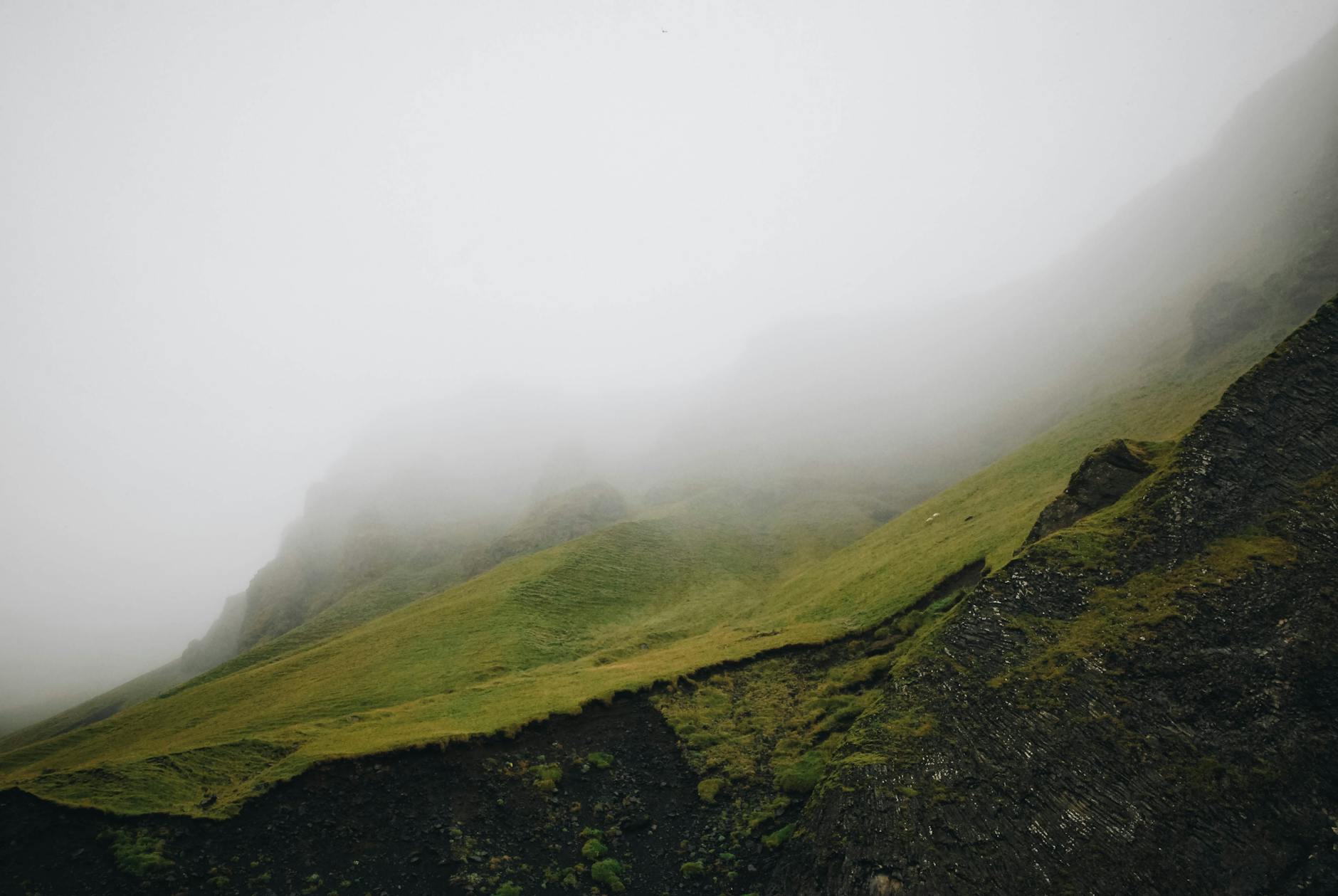
Embrace the Atmosphere: Tasmania's misty mornings and dramatic sunsets create spectacular lighting conditions. Use long exposure to capture the fluidity of waves crashing against rugged coastlines.
Tasmania is a vast canvas of natural beauty, demanding a creative eye to bring its secrets to life. Travel enthusiasts will find their spirits ignited by its wild charm.
Lord Howe's Exotic Wildlife
Lord Howe Island is a sanctuary for nature lovers, teeming with unique wildlife and pristine ecosystems. Explore the island’s intricate paths and keep an eye out for the vibrant marine life just beneath the waves. As you align your lens to capture a rare bird or an elusive fish, you might notice similarities to the natural allure found in Antarctica Cruises.
To enhance your wildlife photography:
-
Use a Telephoto Lens: Capture the intricate behaviours of birds and marine animals without disturbing their natural habitat.
-
Patience is Key: Give wildlife the time to adjust to your presence. Patience often rewards you with unexpected, candid moments.
With its captivating biodiversity, Lord Howe Island is a haven for photographers and conservationists alike. Your journey here won't just be about clicking photos; it will be about embracing a world of ecological wonder.
Essential Photography Techniques for Travellers
Mastering Lighting Conditions
In the Australian landscape, from the sweeping coastal vistas of the Great Ocean Road to the lush, tranquil paths of the Royal Botanic Gardens, mastering lighting conditions can significantly enhance your photography. Early morning or late afternoon brings out the magic of Melbourne CBD's vibrant street art, allowing the sun to cast long shadows and breathe life into your images. Consider using a polarizing filter when shooting by the ocean to manage reflections and achieve richer blues and greens. This tip is particularly useful when exploring serene beaches like those found in the Whitsundays.
Sustainable Photography Practices
For any travel photographer, respecting the natural environment is crucial. While capturing the raw beauty of Kakadu's ecosystems or the ancient allure of the Daintree forests, remember to leave no trace behind. Cradle Mountain in Tasmania, with its untouched terrains, offers an excellent opportunity to practice minimal interference, ensuring that your presence doesn’t disrupt the peace of these stunning locations. Always adhere to park regulations and use established paths to minimise your environmental footprint.
Adapting to Ever-Changing Weather
Weather across Australia can be as unpredictable as the landscape is diverse. Whether you're on the remote landscapes of the Kimberley or photographing the imposing majesty of Uluru, it’s essential to be prepared for rapid weather changes. Pack gear to protect your equipment, like weatherproof bags or rain covers. This preparedness ensures that a sudden downpour doesn’t ruin your photo expedition. A flexible mindset will allow you to transform moody skies into powerful backdrops, providing an undeniable aesthetic appeal to your photographs.